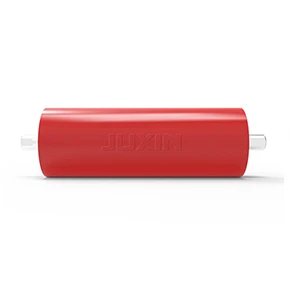
Steel Conveyor Roller is listed in the Idlers line of Hebei Juxin Conveyor Engineering Co., Ltd.. The company website describes it as follows: JUXIN steel rollers are produced using our innovative composite bearing housing to ensure optimum quality, performance, reliability and durability. " That description is the starting point for this page. Everything else here explains, in plain terms, where such an " item sits on a working conveyor line, what kind of duty buyers usually ask about, and what to confirm in an inquiry " before any order is placed. No specification table is published here, and this page does not invent specifications.
What Steel Conveyor Roller does on the line
A steel conveyor roller carries the belt and its load along the carrying strand. The composite bearing housing described on the category page is the part buyers most often ask about, because the housing, the shaft and the sealing arrangement together decide how smoothly the roller turns and how well it keeps dust and moisture out of the bearing. On a long carrying run, a roller that turns freely and stays sealed is worth more than a roller that looks identical but drags, because drag adds up across every roller on the line.
On a working line, the question is rarely the item alone. It is how the item behaves with the belt, the load and " the rest of the strand around it. A carrying component that runs true keeps the belt centred and the load moving. " A return or discharge component that does its job quietly keeps the return strand clean and the drive end free of " carryback. When you describe your line, describe the strand, the loading point and the discharge end together, so " the supplier can check fit against the whole arrangement rather than against a single part in isolation.
Where buyers ask about Steel Conveyor Roller
Steel rollers of this kind are asked about for mining, aggregate and port handling, where the belt carries heavy, abrasive material and the carrying strand runs for a long distance. They are also a natural first question on any line that already uses steel rollers, because a like-for-like replacement must match the existing frames and belt before anything else is considered.
The industries named on the company website for bulk handling work are mining, tunnelling, aggregate, chemical, " port and metallurgy. Within those industries the same family name can cover very different duties, from a short " transfer run to a long overland route, so the industry name alone is not enough for a quotation. State the material " being handled, whether the run is indoor or outdoor, and whether the line stops and starts often or runs " continuously, and ask the supplier to confirm suitability for that duty in writing.
What to confirm before ordering Steel Conveyor Roller
Please confirm the minimum order quantity with the supplier before placing an order. Please confirm the lead time with the supplier before placing an order. Use the checklist below in your inquiry. Each point is a question to confirm with the supplier, not a specification published on this page, and no specification table is published for this item here.
- Belt width and carrying load: confirm the belt width and the load the carrying strand must support, so the supplier can check fit with your existing frames.
- Roller and shaft arrangement: confirm the roller diameter options offered and the shaft and end arrangement, so the new roller matches your frames.
- Bearing housing and sealing: confirm what bearing housing and sealing arrangement is offered for your dust and moisture conditions.
- Quantity and spares: confirm how many rollers are needed for the run and what spares to hold, and confirm quantity and delivery in the inquiry.
Certificates available upon request. If a certificate matters for your project, ask for it by name in the inquiry so the supplier can confirm scope and validity before you order.
Inspection and spares for Steel Conveyor Roller
When a steel roller starts to fail, the signs usually appear before the roller stops turning altogether. A roller that drags instead of spinning freely adds resistance to the whole carrying strand, and because a long line carries hundreds of rollers, a handful of dragging rollers can raise drive load noticeably. Check rotation by hand during a planned stop, listen for a rough or grinding bearing, and look for dust or moisture ingress around the housing ends, since the composite bearing housing described on the category page is only as good as its sealing in your own dust and moisture conditions. Look also at the shell for dents or wear flats, because a dented shell wears the belt cover in one spot on every revolution. Keep a small stock of replacement rollers for the most exposed runs, and rotate spares through the line so no spare sits forgotten in a store for years.
Fitting Steel Conveyor Roller into an existing line
Fitting a steel roller into an existing line is mostly a compatibility check, and it should be done against the frames already on the line rather than against a catalogue picture. Confirm the frame width and the shaft arrangement first, because a roller that does not sit correctly in its frame will not run true no matter how well it is made. Check the belt cover condition where the new rollers will run, since a worn belt cover can mask a roller problem and a new roller can expose a belt problem that was already there. If you are replacing rollers along a whole run, replace them as a set and record the date and position of each set, so the next inspection can compare wear across the run instead of guessing. Ask the supplier to confirm, in the inquiry, which frame types the roller is offered for, and whether any frame change is needed for your line.
Related lines for Steel Conveyor Roller
These lines are often briefed together. Follow the links to compare families before you enquire, " and keep the inquiry in one place so the supplier can check the parts as a set.
Brief this line for your project. Tell us the material, the route and the duty you expect, and we will confirm what can be supplied. Send an inquiry
Source note: product names and descriptions on this page follow the company website category pages. " No specification table is published here.