A belt conveyor moves because its belt is supported, guided and kept in shape along the whole route, and the parts that do that work are idlers. The company website lists its idler line under one category, and the names in that category already tell a buyer most of what they need to ask first: whether the roller carries the load, returns the belt, absorbs shock at the loading point, or corrects the belt when it drifts. This guide explains each type in plain terms, using only the category names and descriptions published on the company website, so that an inquiry can name the right family instead of asking for a roller in general.
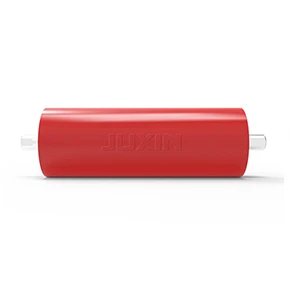
Carrying idlers hold the loaded belt
The carrying idler roller is the workhorse of the loaded strand. The company website describes it as the type used to support and guide the conveyor belt along its path, and that short description is enough to place it: carrying idlers sit under the loaded belt, spaced along the carrying run, and their job is to keep the belt level and moving while the load rides on top. When a buyer briefs a carrying idler, the questions that matter are the ones about the run itself. How long is the carrying run, and does it climb, descend or run flat? What material rides on the belt, and is it fine, lumpy, wet or dusty? Does the belt already have frames in place that a replacement roller must fit? A carrying roller that suits a short, sheltered transfer run may be entirely wrong for a long outdoor route carrying heavy, abrasive lumps, even though both rollers carry the same name. Naming the carrying family is only the first step; describing the run is what lets a supplier check fit.
Steel conveyor rollers belong in this same conversation. The company website describes its steel rollers as produced using a composite bearing housing, and presents that housing as the part that decides quality, performance, reliability and durability. A buyer does not need to accept that description as a promise; the useful part is the prompt it gives. Ask what bearing housing and sealing arrangement is offered for the dust and moisture conditions on the line, and ask how the roller, shaft and end arrangement match the frames already installed. Carbon steel rollers are listed alongside steel rollers in the same category, and the same questions apply, with one extra: whether the roller material suits the material being handled and the environment around the line.
Troughing idlers shape the belt into a trough
Conveyor troughing idlers are the type designed to support the belt and prevent it from sagging in the middle, according to the company website description. In practice, troughing idlers angle the belt edges upward so the belt forms a shallow channel, which keeps loose bulk material centred instead of spilling at the edges. That shape matters most where the material is free-flowing or fine, because a flat belt lets such material wander, while a troughed belt holds it in the middle of the run. The trade-off a buyer should weigh is between containment and friction: a deeper trough holds material better but asks more of the belt and the drive, while a shallow trough runs more easily but contains less. The right answer depends on the material, the belt and the route, which is why troughing is a question to put to the supplier with the material and the route described, rather than a choice to make from a catalogue name alone.
Flat idlers sit at the other end of that choice. The company website lists flat idlers in the same category, and a flat arrangement suits lines where the material is carried in a way that does not need a trough, or where the belt itself is wide and stable enough to run flat. A buyer comparing flat and troughing idlers should describe what the belt carries and how it is loaded, because the loading method often decides the shape: material dropped from a height spreads differently from material fed gently onto the belt, and the idler shape has to suit the way the load arrives.
Return rollers support the empty belt on its way back
After the load is discharged, the belt has to travel back to the loading point, and that return strand needs support too. The rubber disc return roller is described on the company website as a crucial component whose primary function is to support the return strand and perform essential cleaning. The discs on such a roller help shed material that clings to the belt, so the return run stays cleaner and the belt returns in better condition. That cleaning action is easy to overlook when a line is specified, because attention naturally goes to the loaded strand, but a dirty return strand causes its own problems: build-up on return rollers, belt wander and extra wear at the tail end. When briefing return rollers, describe the return run honestly, including whether the belt returns clean or carries residue, and whether the return strand runs indoors or outdoors.
Return rollers are also the place where a buyer should think about the whole strand as one system. The carrying side, the discharge end and the return side share one belt, so a change on one side shows up on the others. A belt that wanders on the return strand will not track well at the loading point either, and a return roller chosen without reference to the carrying rollers may not match the belt or the frames. Keeping the inquiry in one place, with the whole line described, lets the supplier check the parts as a set rather than as isolated items.
Impact idlers absorb shock where material lands
The loading point is the hardest place on any conveyor line, because material falls onto the belt there with force. The rubber impact roller is described on the company website as a specialised roller used to absorb the shock and impact of bulk materials as they are loaded onto the belt, and the impact idler roller is described in similar terms for belt conveyors generally. Both names point to the same duty: cushioning the belt where the load lands, so the belt and its supporting structure are not punished by every drop. The questions to ask about impact duty are concrete. What material is dropped, and from what kind of feed arrangement? Is the feed steady or does it arrive in surges? Is the loading point indoors or exposed to weather? The answers decide how much cushioning the loading zone needs, and whether impact rollers alone are enough or whether the loading zone needs an impact bed as well, a topic covered in the guide to belt cleaners and impact beds.
Industrial rubber rollers and rubber horn rollers appear in the same category, and their names signal a rubber working surface rather than a steel one. A rubber surface suits duties where the belt or the material benefits from grip and cushioning, and where a steel surface would be too harsh. As with every family here, the material being handled and the way it is loaded decide whether a rubber surface is an advantage; the name alone does not.
Self-aligning idlers correct a drifting belt
A belt that drifts to one side causes spillage, edge wear and unplanned stops, and self-aligning carrying idlers are designed to address belt misalignment, in the company website description. Such idlers respond to the belt position and steer it back toward the centre of the run, which makes them valuable on long lines, on lines with uneven loading, and on lines where the belt has a history of wandering. They are not a cure for every tracking problem, though. A belt may drift because the loading is off-centre, because a frame is out of square, or because the belt itself is damaged, and no idler can correct a structural fault on its own. A buyer troubled by drift should describe where the drift happens, when it started and what the loading looks like at that point, so the supplier can judge whether self-aligning idlers are the right response or whether the cause lies elsewhere.
Questions to put in an idler inquiry
Please confirm the minimum order quantity with the supplier before placing an order. Please confirm the lead time with the supplier before placing an order. Certificates available upon request. The questions below belong in an inquiry, and the answers should come from the supplier for the specific line, not from this guide. Name the idler family you have in mind, and describe the material, the route, the loading arrangement and the duty the line must sustain. Say whether the run is indoor or outdoor, whether the line stops and starts often or runs continuously, and whether the belt and frames already exist or are being built new. Ask the supplier to confirm which roller types suit that duty, how the rollers match existing frames and belts, what bearing and sealing arrangements are offered for the dust and moisture on the line, and what spares and wearing parts to hold. When a certificate matters for the project, name it in the inquiry and ask the supplier to confirm its scope and validity before ordering.
Related reading on this site
Idlers work with the rest of the line, so the companion guides are worth reading before enquiring. The guide to conveyor pulley types explains the head, lagging, wing and snub pulleys at the drive and return ends. The guide to belt cleaners and impact beds covers what happens at the loading point and the discharge end. The guide to bulk material handling system selection shows how idlers, pulleys, belt conveyors, stackers and parts are briefed together as one line. The Conveyor Idlers category page lists the full family, and the inquiry page is where the brief goes.